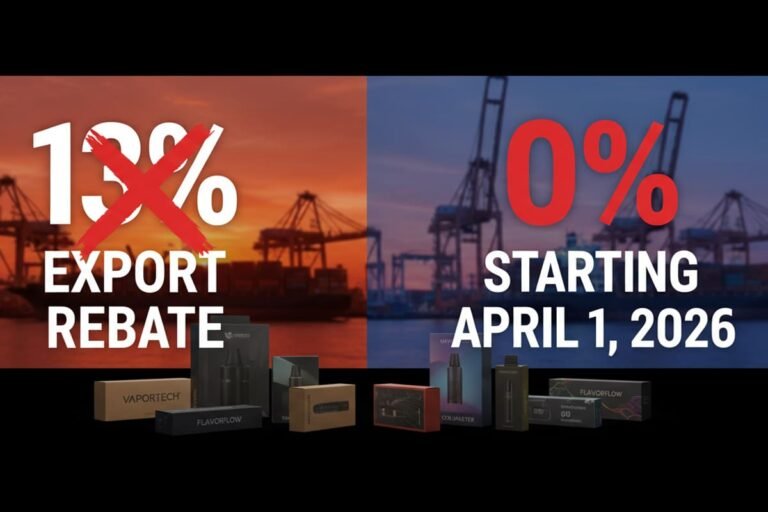
The global vaping industry is facing its most significant fiscal shift in years. In a move that will fundamentally restructure pricing models for both Nicotine and Cannabis hardware, China’s Ministry of Finance and the State Taxation Administration have announced the cancellation of the export tax rebate for e-cigarette products, effective April 1, 2026.
For years, the 13% VAT export rebate has served as a silent subsidy, allowing Chinese manufacturers to offer competitive FOB prices to global buyers. That era is ending.
If you are a brand owner, distributor, or procurement manager sourcing vape hardware or disposables from China, you need to understand that this is not just a policy update—it is a direct hit to your bottom line. Industry analysts predict an immediate 10% to 15% increase in procurement costs starting in Q2 2026.
This article outlines exactly which HS codes are affected, analyzes the financial impact on your business, and provides a critical timeline for action to protect your margins before the deadline.
The Policy: What is Changing?
Starting April 1, 2026, the Value-Added Tax (VAT) export rebate rate for specific e-cigarette related HS codes will drop from 13% to 0%.
Previously, when a factory in China exported these goods, the government would refund 13% of the tax paid on raw materials, effectively lowering the manufacturing cost. With this rebate removed, the cost of production instantly jumps.
Which Products are Affected?
This policy is sweeping and covers the two primary pillars of the vaping supply chain. Whether you deal in traditional nicotine vapes or cannabis extraction hardware, you are likely affected.
⚠️ Critical HS Codes Affected:
- HS Code 2404120000:
- Definition: “Products containing nicotine intended for inhalation without combustion.”
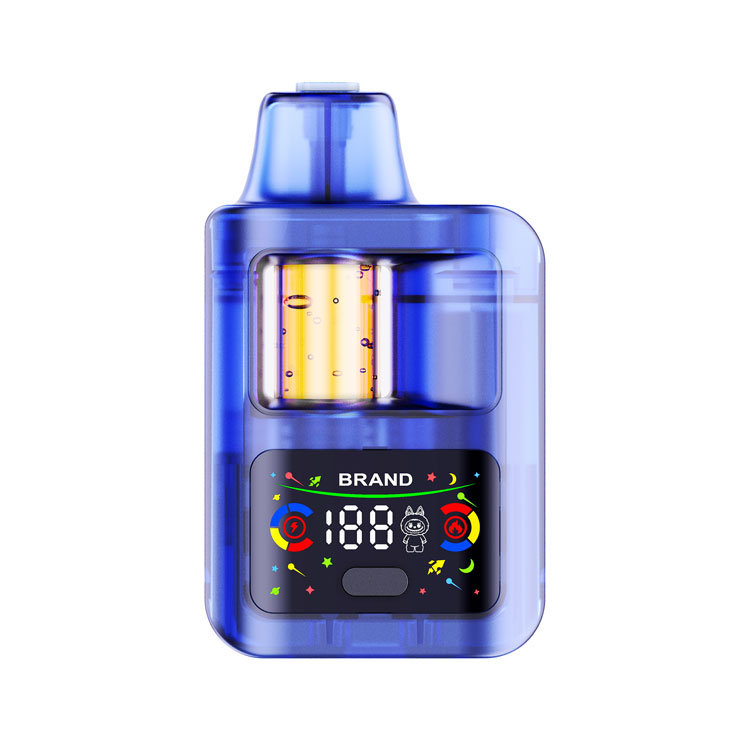
- Includes: Disposable vapes, pre-filled pods, and e-liquids.
- HS Code 8543400090:
- Definition: “Other electronic cigarettes and similar personal electric vaporizing devices.”
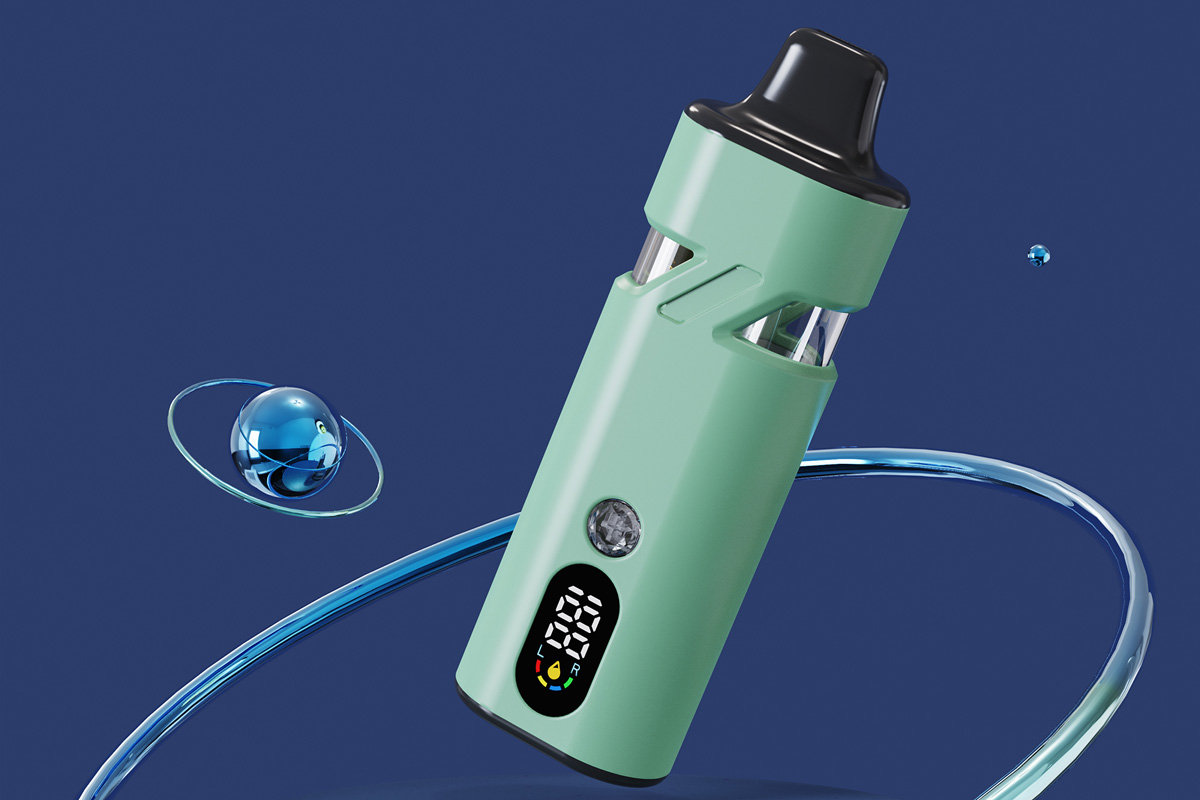
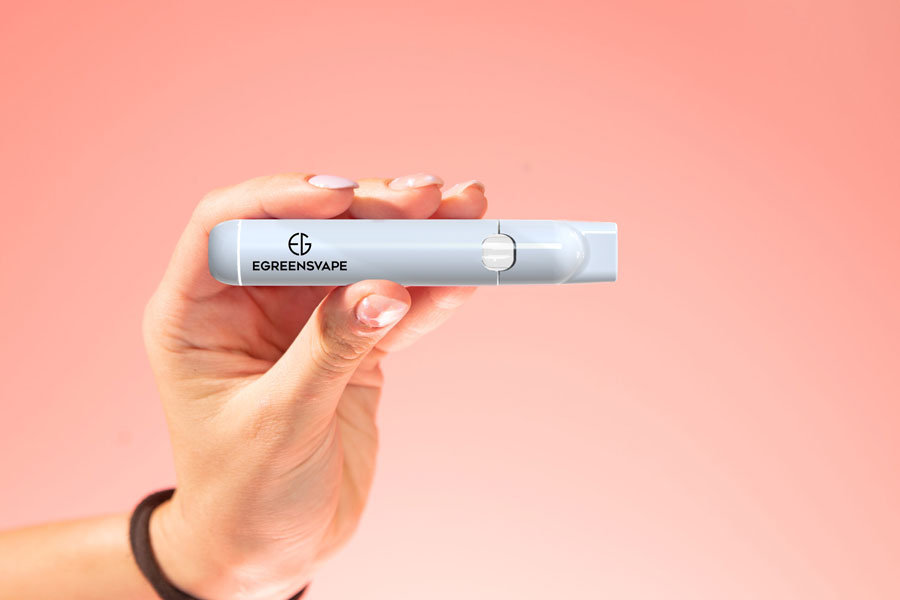
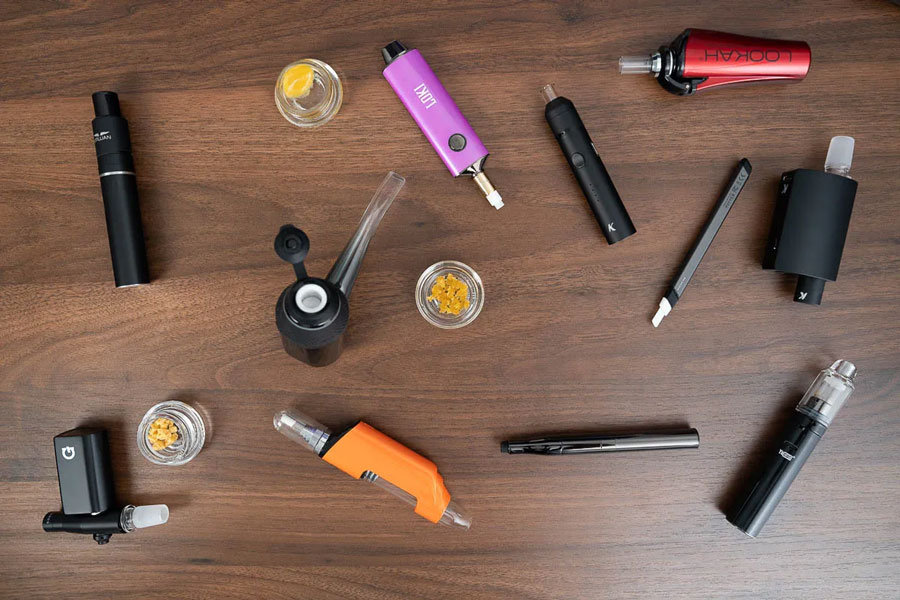
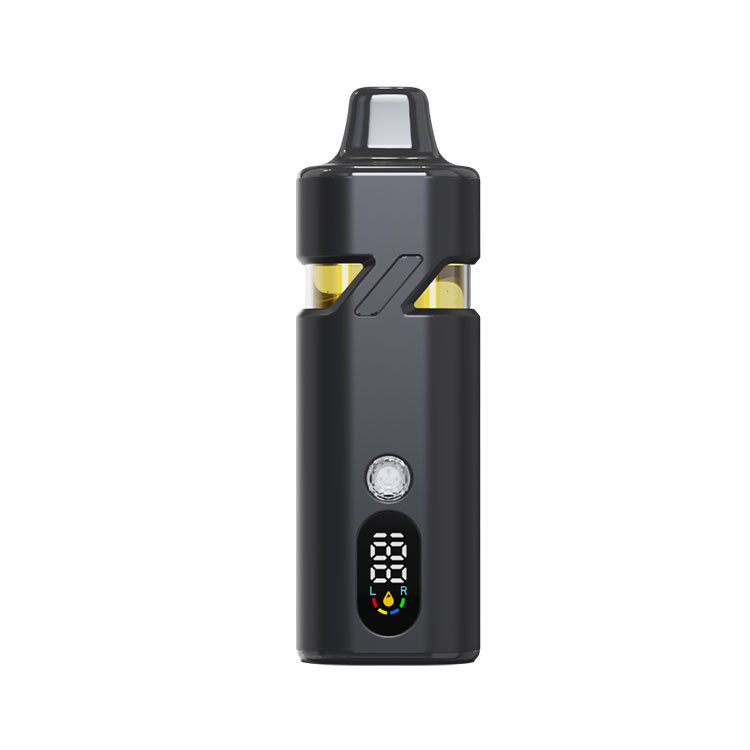
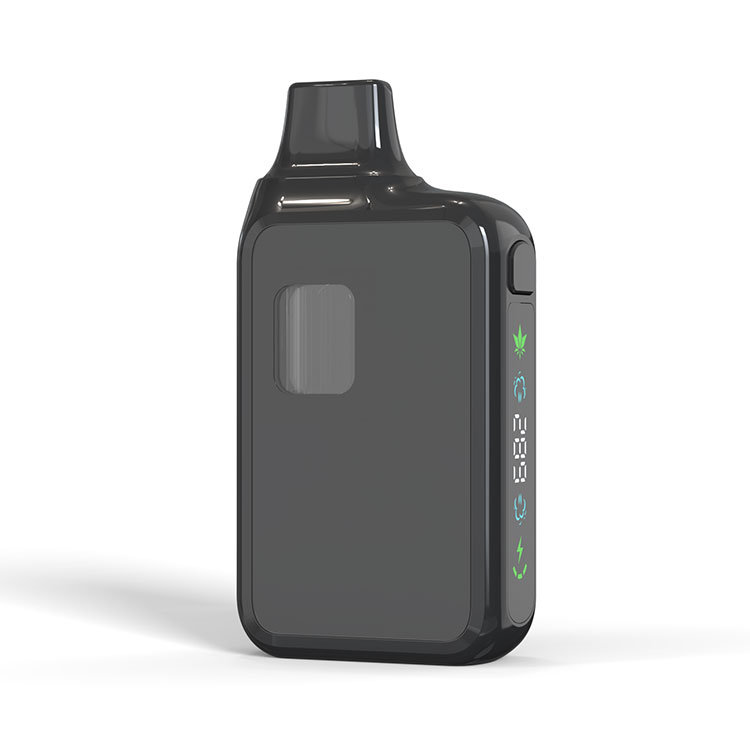
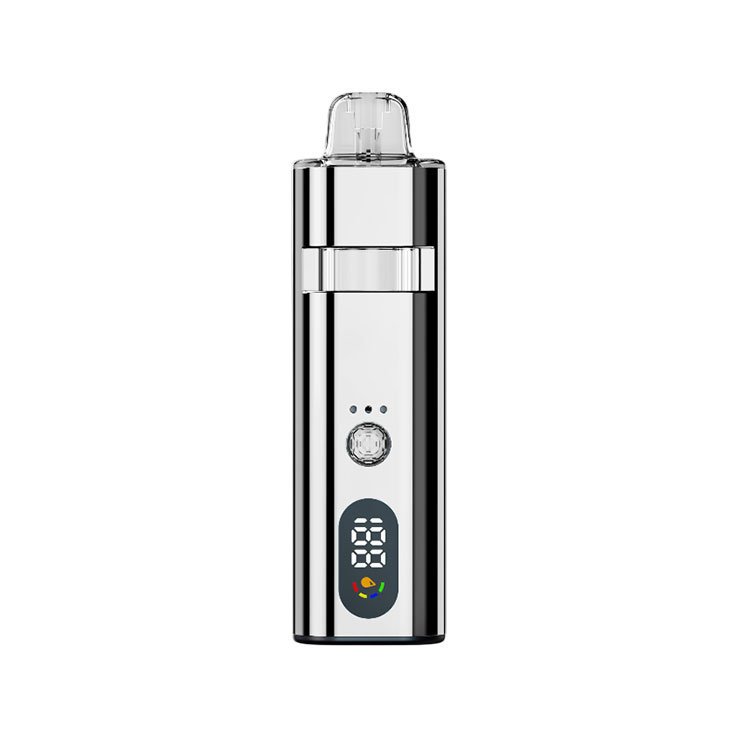
- Includes: Cannabis Vape Hardware (510 batteries, empty cartridges, disposable all-in-one devices), Open System mods, and atomizers.
Misconception Alert: Many buyers in the Cannabis/CBD sector assume this tax change only targets “Big Tobacco” or nicotine disposables. This is incorrect. Since cannabis hardware (like empty carts and batteries) falls under 8543400090, your supply chain is directly impacted.
The Financial Impact: Doing the Math
Why does a 13% tax cut lead to a price hike?
In the highly competitive vape manufacturing landscape in China, profit margins are razor-thin. Many factories have historically factored the 13% rebate into their gross profit. Without this rebate, selling at current prices would mean selling at a loss for many manufacturers.
Therefore, manufacturers must pass this cost on to the buyer.
Cost Simulation: Before vs. After April 1st
The following table illustrates a hypothetical scenario for a standard order of 50,000 units of Vape Hardware (e.g., a high-quality disposable device).
| Cost Component | Current Scenario (Before April 1) | Future Scenario (After April 1) | Impact |
|---|---|---|---|
| Unit Price (FOB) | $5.00 | $5.65 | +13% |
| Order Volume | 50,000 units | 50,000 units | – |
| Total PO Value | $250,000 | $282,500 | +$32,500 |
| Factory Net Margin | Supported by Rebate | Purely from Price | Manufacturers adjust price to survive |
The Bottom Line: On a standard $250,000 order, waiting until April could cost you an additional $32,500. This directly erodes your retail margin unless you increase prices for your end consumers—a move that is difficult to execute in a competitive market.
Why Factories Can’t “Absorb” the Cost
You might ask: “Can’t my supplier just absorb this cost?”
In most cases, the answer is no.
- Raw Material Costs: The cost of lithium, aluminum, and chips remains high.
- Compliance Costs: Factories are already burdened with heavy compliance costs due to domestic tobacco licensing regulations.
- Thin Margins: The “Price War” of 2024-2025 has already squeezed factory margins to the limit. There is no 13% buffer left to sacrifice.
Expect a “Seller’s Market” in Q1: As April 1 approaches, capacity will tighten. Factories will prioritize clients who accept the new pricing reality or those who booked early production slots.
The “Golden Window”: Your Action Timeline
Today is January 15, 2026. You have less than 75 days before the policy takes effect. However, due to logistics and customs clearance times, your actual window to act is much smaller.
You must beat the “Customs Declaration Deadline.” The goods must be declared at Chinese customs before April 1 to qualify for the old tax rate.
The Critical Countdown
- Now – Jan 30 (Phase 1: Planning):
- Audit your inventory levels for Q2 and Q3 2026.
- Review all open POs containing HS Codes 2404120000 and 8543400090.
- Contact us to confirm production capacity.
- Feb 1 – Feb 20 (Phase 2: The Order Rush):
- Place your orders immediately.
- Note: Factories will be ramping up post-CNY (Chinese New Year). Slots will fill up incredibly fast as global buyers rush to beat the tax hike.
- March 1 – March 15 (Phase 3: Production & QC):
- Production must be completed.
- QC inspections must be finished by mid-March to allow time for inland trucking to the port.
- March 20 – March 25 (Phase 4: The Shipping Deadline):
- DEADLINE: Goods must be handed over to the forwarder.
- If your cargo is not declared to customs by March 31, 23:59, you will pay the new price.
Strategic Recommendations: How to Mitigate Risk
Panic buying is not a strategy. Here is how smart procurement teams are handling this shift:
1. Front-Load Your Inventory (The “Bridge” Strategy)
Buy 3-4 months of inventory now. By securing stock at the current tax-rebate-subsidized price, you effectively create a price advantage over your competitors who will be forced to pay higher prices in April. Use this lower cost basis to capture market share in Q2.
2. Re-evaluate Supply Chain Stability
The removal of the tax rebate will trigger an industry shuffle. Small, low-margin factories that relied solely on the rebate to survive may go bankrupt or cut corners on quality.
- Action: Ensure your supplier has strong financial health. At [Your Company Name], we focus on operational efficiency and automated production to keep costs stable, regardless of policy changes.
3. Optimize Packaging & Logistics (Advanced Strategy)
Since the tax change affects specific HS codes, there are ways to structure your BOM (Bill of Materials) to mitigate impact.
- Preview: We are developing a strategy to separate Hardware (8543) from Packaging (4819) to optimize tax duties and shipping volume. Stay tuned for our next blog post on this specific solution.
Conclusion: Don’t Wait Until April
The cancellation of the export tax rebate is a structural change to the Chinese manufacturing engine. The days of artificially low prices subsidized by tax policies are over.
As a buyer, you have two choices:
- Wait and accept a 10-15% cost increase in April.
- Act now, lock in your Q1/Q2 orders, and save thousands of dollars in pure margin.
At EGreensVape, we are ready to help you navigate this transition. We have reserved production capacity for our key partners to ensure your orders are shipped before the March 31st deadline.
Do not leave your margins to chance.